
Natural Brain Boosts: A Naturopathic Approach
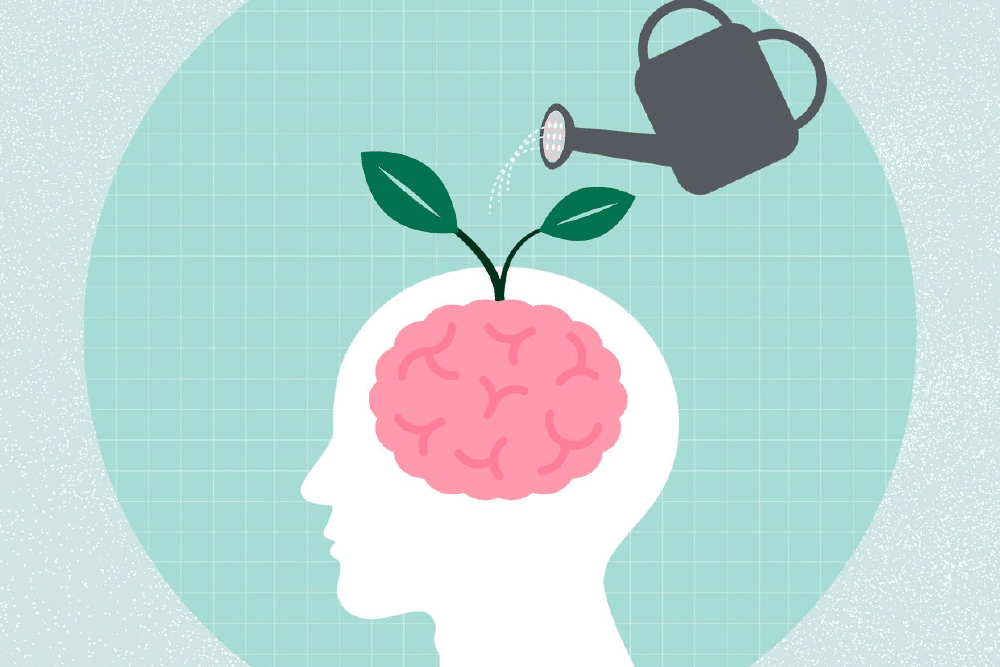
The brain is our center, the remote control for our bodies and its various organ systems. As we age, an aging brain can become a stressed brain. With all the toxins, pollutants, and life stressors that individuals are exposed to over a lifetime, the nervous system can start to slow or misfire, leading to signs of cognitive decline. However, many studies have shown that decline of brain function can be delayed or reversed by proper diet and/ or supplementation and lifestyle changes. There are many nutrients available in foods and nutritional supplements that can boost important pathways in the brain and sharpen the acuity of the mind.
So, what are the ten best things you can do to for optimal brain health? Based on the literature and years of experience with clients, I have put together my top ten list for “Boosting the Brain Naturally”.
- Water. Dehydration raises stress hormone levels and causes an imbalance in electrolytes, which can cause short term confusion and long-term damage. Drink at least ten glasses of water a day.
- Antioxidant-Rich Fruits and Vegetables. These are vital for making sure our body and our brain receive all the nutrients it needs to function properly. The best of these, according to the U.S. Department of Agriculture, are blueberries, blackberries, cranberries, strawberries, spinach, raspberries, Brussel sprouts, plums, broccoli, beets, avocados, oranges, red grapes, red bell peppers, cherries, and kiwis. Five to seven servings a day of fruits and vegetables are recommended. The more colors the better. Also, whenever possible, make sure to choose organic and locally grown produce.
- Fish. DHA, an omega-3 fatty acid found in fish, is the main component of brain synapses. A lack of omega-3 has been shown to diminish intellectual performance and is linked with dementia. When choosing fish to eat, your best choices are Wild Salmon, Black Sea Bass, Rainbow Trout, Pollack, Atlantic Mackerel, Perch and Sardines. Try to avoid farm raised fish and fish high in mercury- such as tuna and swordfish. If you don’t eat fish, omega-3 is also found in walnuts, pumpkin seeds, and flax seeds. In addition, you can take it as a supplement; 1000 mg a day.
- B-Complex Vitamins (Thiamine, Riboflavin, Niacinamide, etc.). These vitamins help the body to deal with stress, to efficiently burn foods for energy, and produce amino acids and enzymes necessary for maintaining healthy cells and brain function.
- Ginkgo Biloba is an herbal supplement that helps to improve blood flow to the brain and helps with concentration.
- Alpha Lipoic acid (aLa). This powerful supplement is both water and fat soluble, meaning it enters all parts of cells to neutralize free radicals. It is the only antioxidant supplement that can easily get into the brain. There is some evidence it is useful in the prevention of strokes.
- 5-hydroxytryptophan (5 HTP) and Acetyl L-Carnitine both help the body decrease pain and improve mood by helping with the production of the neurotransmitters, seritonin and acetylcholine, which are required for mental function, as well as helping prevent damage to brain cells.
- Phosphatidyl Serine (PS) is a phospholipid normally found in nearly every cell in your body. A phospholipid is a type of lipid. Lipids add to cell structure and are a source of fuel. In the brain PS operates in part as a communication facilitator between nerve cells. PS stimulates cells in your brain to make new dendrites and axons. Generally speaking, people who take PS tend to remember more names, faces, phone numbers, and written information.
- Sleep. This is essential for optimal brain function. After periods of extended wakefulness or reduced sleep, neurons begin to malfunction and the ability to form new memories and generate new synaptic connections diminishes. Over time, this deficiency can significantly diminish brain function.
- Exercise. Studies have shown that exercise, especially cardiovascular exercise, improves cognitive brain function as well as mood. Everyday activities such as memory, planning, scheduling, and multi-tasking were shown to be much improved as a result of regular cardiovascular exercise. Exercise affects brain function in a positive way by regenerating nerve cells, neurotransmitters, and blood vessels. Regular exercise also helps new nerve cells replace aging ones, halting the decline of cognitive functioning as we age. The new nerve cells tend to stay sharp as long as we remain physically active.
Disclaimer : The information in this article is for educational purposes only and is not designed to diagnose or treat any specific health condition. Always check with your physician before taking any new supplements.