Sleep Nutrition: What You Eat Can Affect Your Sleep
For many of us, sleep can be an alluding venture. Whether it’s falling asleep or staying asleep, it can be tough. To help, sleep experts recommend regular exercise, establishing a bedtime routine and cutting back on screen time and social media. However, a growing body of research suggests that our diets also come into play, with the food we eat affecting how well we sleep and our sleep affecting our dietary choices. Researchers have found that eating a diet that is high in sugar, saturated fat and processed carbohydrates can disrupt sleep. On the other hand, eating more plants, fiber and foods rich in unsaturated fat (i.e. nuts, olive oil, fish and avocados) helps promote sound sleep.
This is not news to practitioners of Traditional Chinese Medicine (TCM). While there are a few different patterns for insomnia, in TCM all of them include the heart or heat. Try eating calming and cooling foods to help promote deep sleep.
Calming foods to eat 1-2 hours before going to bed.
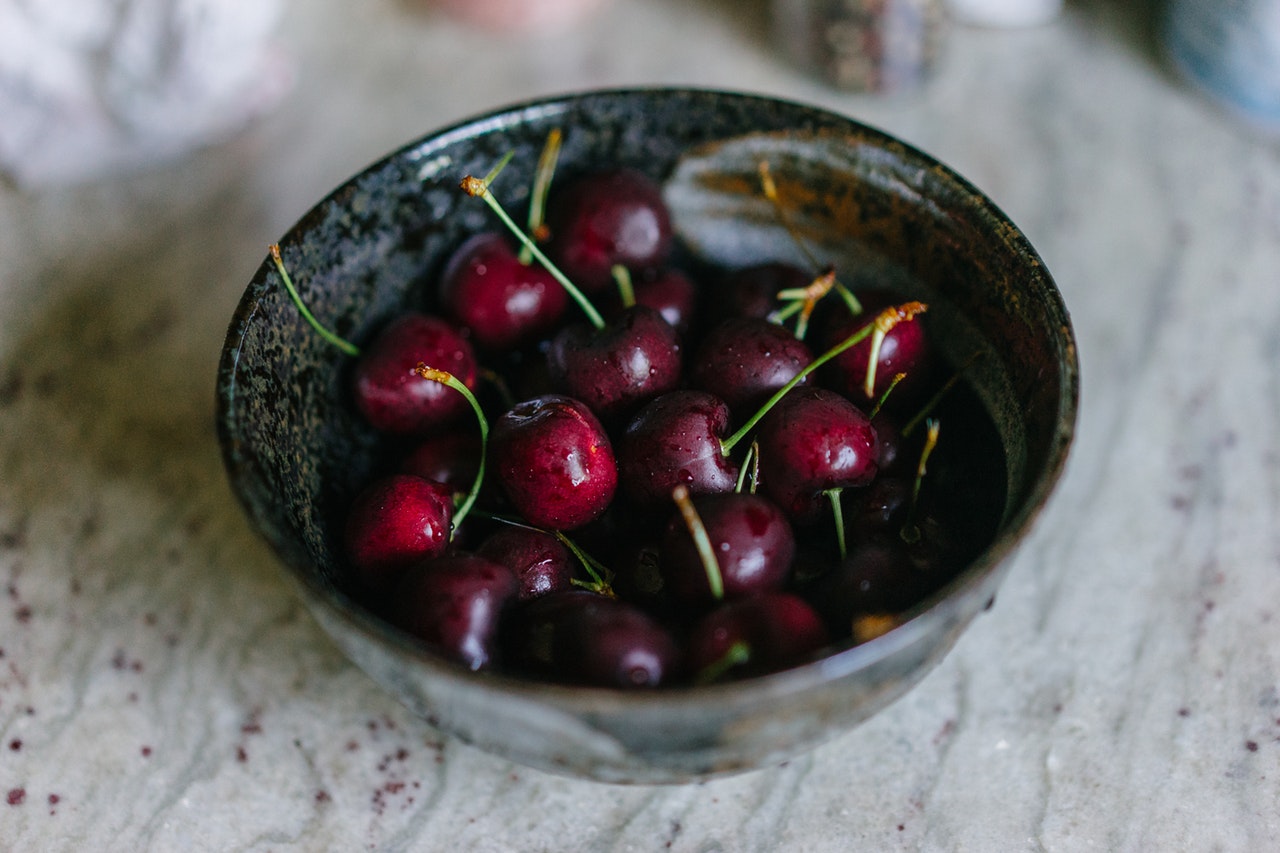
Almonds, walnuts, pumpkin seeds, pineapple, bananas, cherries, lemon balm (tea)
Foods to avoid before bedtime.
Alcohol, red meat, spicy foods
Cooling foods to quell excess heat.
Cucumber, plantain, avocados, apples, pears, bananas, lemon, melon, yogurt, artichoke, beet, shellfish, summer squash, Swiss chard, navy beans, valerian tea
Have fun with mixing up these foods and creating delicious cooling dishes. Think watermelon or cucumber avocado salad, banana and yogurt topped with nuts, and lemon artichokes.
Interestingly, many of the recommended TCM sleep-friendly foods contain nutrients that have been shown to help with sleep. Here are seven nutrient-focused recommendations provided by Sleep Junkies:
- Calcium. Low calcium levels can cause disturbed sleep patterns, particularly in the REM sleep phase. Found in: yogurt, cheese, milk, dark greens, fish and citrus fruits
- Carbohydrates. Carbs can boost the brain chemicals tryptophan and serotonin, which are two hormones involved in sleep cycles. Including starchy carbs for dinner may help you fall asleep faster. Found in: yams and whole grains
- Magnesium. While sufficient magnesium levels do not guarantee perfect slumber, magnesium deficiency almost always contributes to poor sleep. Found in: soy products, bananas, dried apricots, avocados, spinach, whole grains, milk, almonds and cashews
- Potassium. If you have trouble staying asleep during the night, consider increasing your potassium. Found in: bananas, avocados, spinach, sweet potatoes, and mushrooms
- Selenium. While you only need a trace, low selenium levels can cause sleep abnormalities. Found in: Brazil nuts, shellfish, red meat, grains, eggs, chicken, liver, and garlic
- Tryptophan. A natural sedative to help both sleep quality and quantity. Found in: nuts, seeds, tofu, chicken, turkey, oats, beans, lentils and eggs
- Vitamin D. Vitamin D deficiency can cause disturbed and disrupted sleep. Found in: sunlight, oily fish, cheese, egg yolks, and Vitamin D fortified foods
Sources:
How Foods May Affect Our Sleep by Anahad O’Connor, The New York Times
Heart Fire: Summer Element, originally published in The Healing Point Acupuncture Clinic
These 7 Nutrients Will Help You Sleep Better, Sleep Junkies